


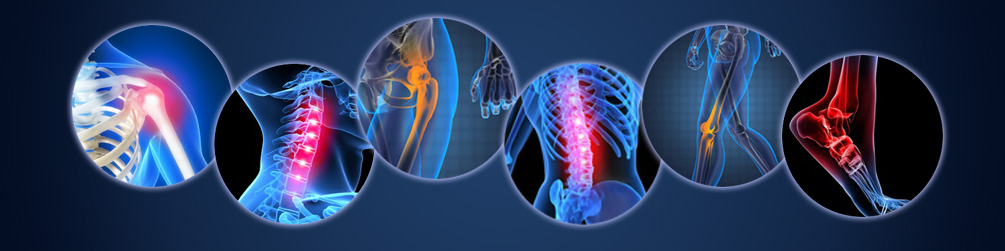
Orthopaedics
Orthopaedic Physiotherapy is oriented towards the treatment of Musculo – Skeletal ailments. It involves regaining appropriate health and function of structures surrounding the Joint regions and normalizing the Biomechanics following any injury or Orthopaedic disease. The rehabilitation of Orthopaedically disabled individuals is also a major area of function.
The role of a Orthopaedic Physiotherapy specialist are Improve posture, Improve Muscle functions, Improve Joint Mobility, Motor function, Muscle performance, and range of motion associated with Connective tissue dysfunctions, Localized inflammation. As in
• Back & Neck Pain / Spondylosis
• Sports injuries (Ligament Sprains, Muscle tears & Joint Problems)
• Whiplash Injuries
• Shoulder Injuries / Frozen Shoulder
• Repetitive Strain Injuries
• Rehabilitation after Fractures & Post Surgery
• Spinal Conditions (Disc Problems, Sciatica, Trapped Nerves)
• Osteoarthritis / Rheumatoid Arthritis
• Tennis Elbow / Golfers Elbow
• Joints Pain / Stiffness
• Ligament Sprain / Tear
Neurology
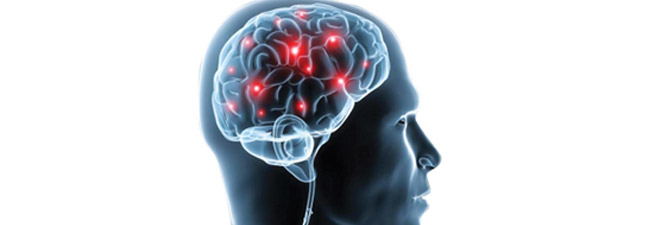
Neurophysiotherapy is a treatment available to help sufferers of neurological diseases, such as Multiple Sclerosis, bell's palsy, facial palsy, nerve injuries, Parkinson’s Disease as well as those recovering from a stroke/ paralysis . It can also benefit neurologically-impaired patients including those who may have had a head injury. A neurological problem can often have a serious impact on a person’s movement, sensation, balance and co-ordination. We also provide in house neuro rehabilitation for bed ridden or difficult to ambulate to our clinic. We teach yoga, meditation, pranayamas to keep mind cool and calm.
The aim of treatment at our clinic is to help each person regain as many of these abilities as possible. Patients may have restricted use and control over their bodies, this treatment can help facilitate and maximise the patient’s physical abilities. The treatment includes a comprehensive neurological assessment, a treatment plan and a course of home exercises.
Our specialist neurological physiotherapists have experience treating a wide range of neurological conditions including:
• Paralysis
• Facial palsy
• GBS
• Cerebral Palsy Child
• Nerve Palsy
Paediatrics

Paediatric physiotherapy work with people of varying ages from premature babies to adolescents to ensure optimal physical function and development. Like all physiotherapy, they are concerned with movement, co-ordination, posture and the cardiorespiratory system. The aim of the paediatric physiotherapy is to provide a program that the patient will enjoy, while encouraging them to participate and become independent.
Paediatric physiotherapists assess and treat infants and children with a range of conditions including:
• cerebral palsy - from mild hemiplegia to severe quadriplegia;
• developmental delay;
• syndromes and other genetic conditions;
• spina bifida and neural tube defects;
• muscular dystrophy and spinal muscular atrophy;
• brachial plexus lesions;
• juvenile chronic arthritis (JCA);
• visual handicaps;
• premature babies with dystonia;
• postural problems - torticollis, scoliosis, talipes, metatarsus adductus;
• respiratory problems such as cystic fibrosis or asthma;
• osteogenis imperfecta;
• minimal cerebral dysfunction.
Electrotherapy
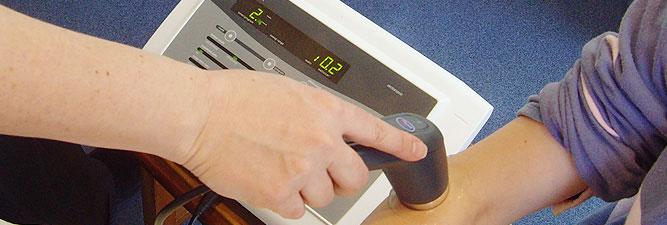
Electrotherapy is the use of electrical energy as a medical treatment. In medicine, the term electrotherapy can apply to a variety of treatments, including the use of electrical devices such as Neuromuscular stimulators for stimulate the paralysised nerve. The term has also been applied specifically to the use of electrical current to speed wound healing. Additionally, the term "electrotherapy" or "electromagnetic therapy" has also been applied to a range of alternative medical devices and treatments.
The use of electrotherapy has been researched and accepted in the field of rehabilitation (electrical muscle stimulation). The American Physical Therapy Association acknowledges the use of Electrotherapy for:
1. Pain management • Improves range of joint movement
2. Treatment of neuromuscular dysfunction • Improvement of strength • Improvement of motor control • Retards muscle atrophy • Improves local blood flow
3. Improves range of joint mobility • Induces repeated stretching of contracted, shortened soft tissues
4. Tissue repair • Enhances microcirculation and protein synthesis to heal wounds • Restores integrity of connective and dermal tissues
5. Acute and chronic edema • Accelerates absorption rate • Affects blood vessel permeability • Increases mobility of proteins, blood cells and lymphatic flow
6. Peripheral blood flow • Induces arterial, venous and lymphatic flow
7. Iontophoresis • Delivery of pharmacological agents
8. Urine and fecal incontinence • Affects pelvic floor musculature to reduce pelvic pain and strengthen musculature • Treatment may lead to complete continence